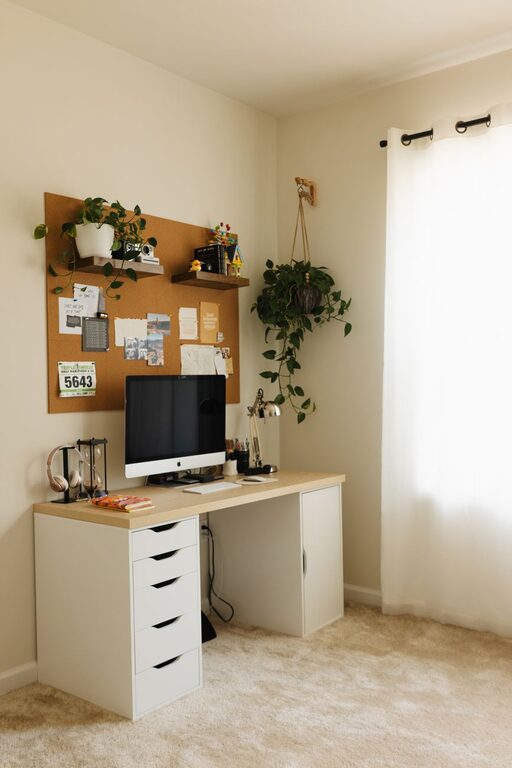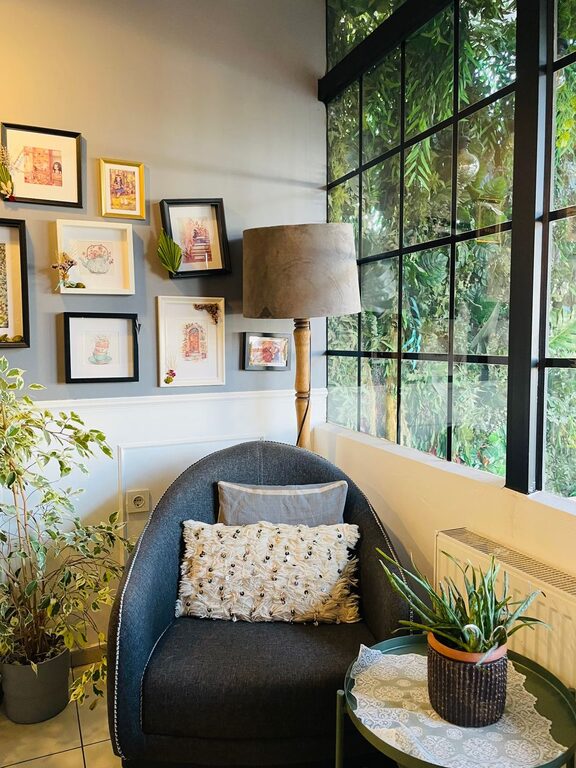
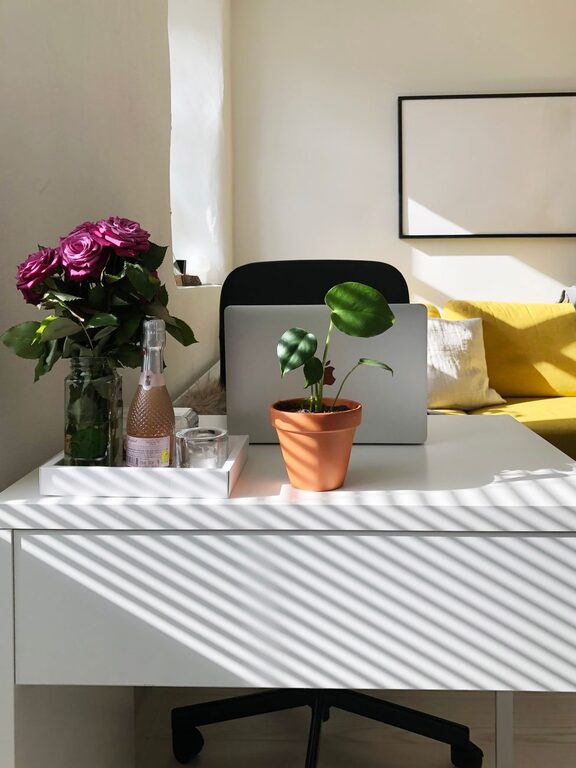
Creating a home workspace that is both comfortable and productive can significantly enhance your daily work experience. Whether you’re working remotely full-time or occasionally, having a dedicated area designed for efficiency and comfort helps improve focus and reduce stress. In this post, we explore practical tips to help you create a home workspace tailored to your needs.
Choose the Right Location
Selecting the best spot for your workspace is the first step toward creating a productive environment.
– Quiet and Low-Traffic Area: Look for a space where distractions are minimal. A corner in a quiet room or an unused guest bedroom can work well.
– Natural Light: Position your desk near a window if possible. Natural light boosts mood and energy, making it easier to stay alert.
– Away from Noise Sources: Avoid areas near the TV, kitchen, or noisy appliances to maintain concentration throughout the day.
Invest in Comfortable Furniture
The right furniture supports your posture and reduces physical strain.
– Ergonomic Chair: Choose a chair that supports your lower back, allows your feet to rest flat on the floor, and encourages a neutral sitting posture.
– Adjustable Desk: A desk with adjustable height helps prevent fatigue and allows you to alternate between sitting and standing.
– Adequate Desk Space: Ensure your desk is spacious enough to accommodate your computer, documents, and any tools you use regularly.
Organize for Efficiency
A clutter-free and well-organized workspace helps maintain focus and efficiency.
– Use Storage Solutions: Shelves, drawers, and filing cabinets keep supplies and paperwork organized and within reach.
– Declutter Daily: Spend a few minutes at the end of each day tidying your desk to start fresh the next morning.
– Cable Management: Use cable clips, ties, or trays to keep cords neat and prevent tangling.
Optimize Lighting
Proper lighting can reduce eye strain and maintain alertness.
– Balance Natural and Artificial Light: Use a combination of daylight and task lighting to illuminate your workspace evenly.
– Adjustable Desk Lamp: A lamp with adjustable brightness allows you to customize lighting based on your needs during different times of the day.
– Avoid Glare: Position screens and lamps to minimize reflections, which can be fatiguing.
Personalize Your Space
Adding personal touches can make your workspace more inviting and motivating.
– Incorporate Plants: Small indoor plants improve air quality and add a calming natural element.
– Decorate Thoughtfully: Use artwork, photos, or inspiring quotes that uplift you without overwhelming the space.
– Choose Calming Colors: Soft, neutral tones often create a relaxing environment conducive to focus.
Maintain Comfort and Wellness
Taking care of your physical well-being while working enhances productivity and reduces fatigue.
– Take Regular Breaks: Use the Pomodoro technique or set reminders to stand, stretch, and rest your eyes every hour.
– Stay Hydrated: Keep a water bottle handy to encourage regular hydration.
– Control Temperature: Make sure your workspace is neither too hot nor too cold, adjusting fans, heaters, or window coverings as needed.
Leverage Technology Wisely
Use technology tools and setups that streamline your work without causing distractions.
– Reliable Internet Connection: Ensure your workspace has strong Wi-Fi or wired Ethernet for smooth video calls and online work.
– Quality Headphones or Speakers: Use these for calls or to listen to focus-enhancing background sounds.
– Organize Digital Files: Set up a clear system for saving and accessing digital documents to avoid frustration.
Set Boundaries
Establishing clear boundaries helps maintain balance and reduces interruptions.
– Dedicated Work Hours: Define specific hours for work to maintain routine and inform others in your household.
– Separate Work Life and Home Life: When work time ends, shut down your computer and clear your workspace to mentally switch off.
– Use Signage or Signals: If needed, use a simple sign to indicate when you are not to be disturbed.
—
In conclusion, creating a comfortable and productive home workspace involves careful planning and attention to both physical and mental well-being. By selecting the right location, investing in ergonomic furniture, organizing thoughtfully, and personalizing your environment, you can build a space that supports your work goals and personal comfort. Small changes can make a big difference in your daily work experience and overall satisfaction when working from home.
About the Author