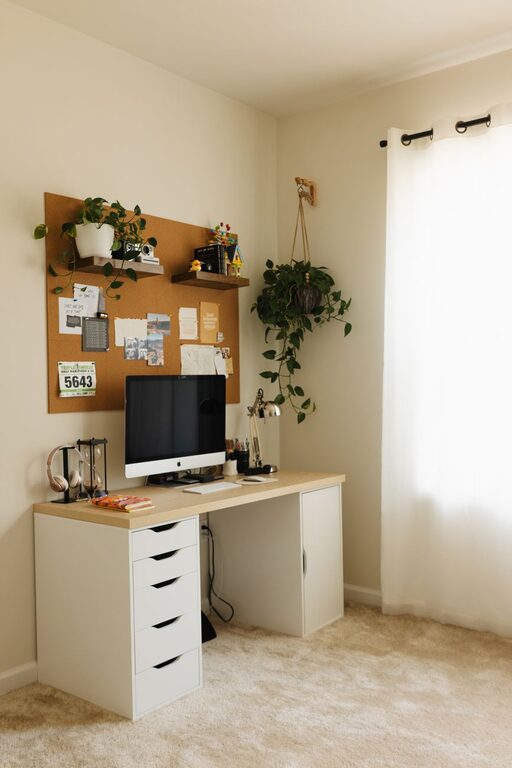
Creating a cozy and productive home office space can significantly enhance your work-from-home experience. Whether you’re a remote worker, freelancer, or simply need a dedicated spot for managing tasks, having a well-designed workspace helps improve focus, reduce stress, and boost creativity. Here are some practical tips to help you design an inviting and efficient home office that suits your needs.
Choose the Right Location
Prioritize Natural Light
Selecting a spot with plenty of natural light can enhance your mood and reduce eye strain. Place your desk near a window if possible, but avoid direct glare on your computer screen. If natural light is limited, use daylight-mimicking bulbs to keep the space bright and energizing.
Minimize Noise and Distractions
Try to find a quiet corner or room with a door that can close. If this isn’t feasible, noise-canceling headphones or soundproofing curtains can help block out distractions. A calm environment promotes concentration and helps maintain a professional mindset.
Invest in Comfortable Furniture
Choose an Ergonomic Chair
A supportive chair is crucial for maintaining good posture during long hours of sitting. Look for chairs with adjustable height, lumbar support, and comfortable padding to prevent back pain and fatigue.
Select a Desk that Fits Your Needs
Your desk should be spacious enough for your computer, notepads, and other essentials. Adjustable desks that allow switching between sitting and standing are increasingly popular because they encourage movement and reduce health risks.
Organize for Efficiency
Use Storage Solutions
Keep your workspace clutter-free with shelves, filing cabinets, or drawer organizers. Labeling boxes and containers can save time when searching for important documents or supplies.
Create a System for Cables
Managing wires with clips, trays, or cable sleeves prevents tangling and keeps your desk tidy. A neat setup looks professional and reduces frustration caused by messy cords.
Add Personal and Cozy Touches
Include Plants
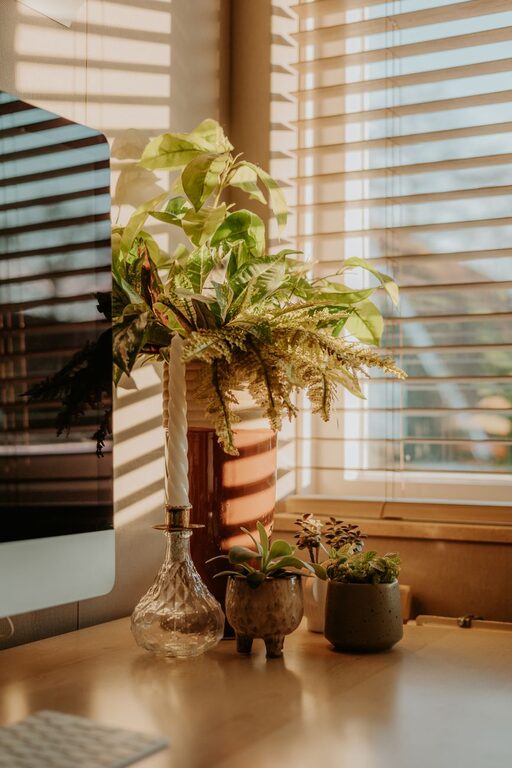
Indoor plants not only improve air quality but also create a soothing atmosphere. Choose low-maintenance varieties like succulents or snake plants that require minimal care.
Use Warm Lighting
Besides natural light, add lamps with warm-toned bulbs to make your office feel inviting. Adjustable desk lamps can provide focused lighting for detailed tasks.
Decorate Thoughtfully
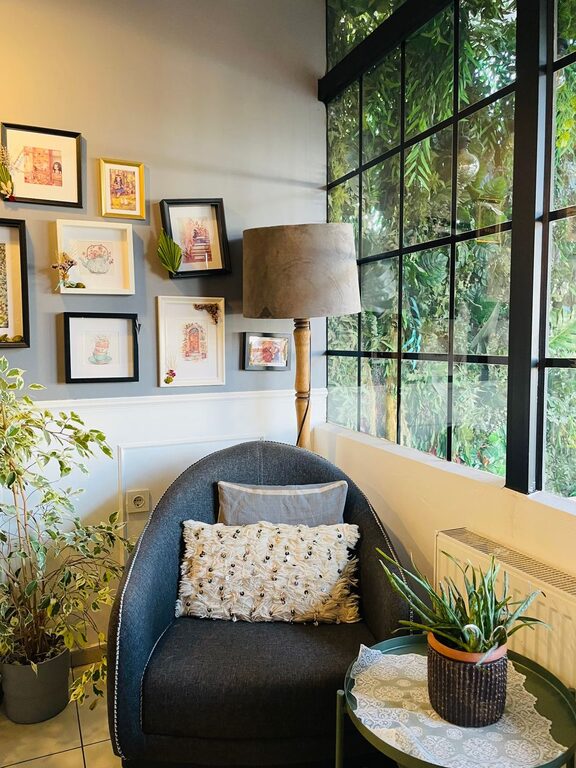
Add artwork, photos, or motivational quotes that inspire you. Choose colors and decorations that make you feel calm and focused without overwhelming the space.
Manage Technology Wisely
Use Quality Equipment
Invest in a good monitor, keyboard, and mouse to improve comfort and efficiency. Reliable internet and proper backups ensure smooth workflow and minimize tech frustrations.
Keep Software Organized
Organize files and digital tools so everything is easy to access. Utilize calendar apps and task managers to keep track of deadlines and priorities.
Establish Boundaries and Routine
Set Clear Work Hours
Define your working schedule and stick to it. Having clear start and finish times helps separate work from personal life and reduces burnout.
Take Breaks Regularly
Incorporate short breaks to stretch, hydrate, and rest your eyes. A comfortable workspace paired with healthy habits enhances overall productivity.
Final Thoughts
Your home office should be a blend of comfort and functionality tailored to your work style. By carefully selecting your location, investing in ergonomic furniture, staying organized, and adding personal elements, you can create a workspace that feels both cozy and productive. This thoughtful approach makes working from home more enjoyable and effective every day.
About the Author