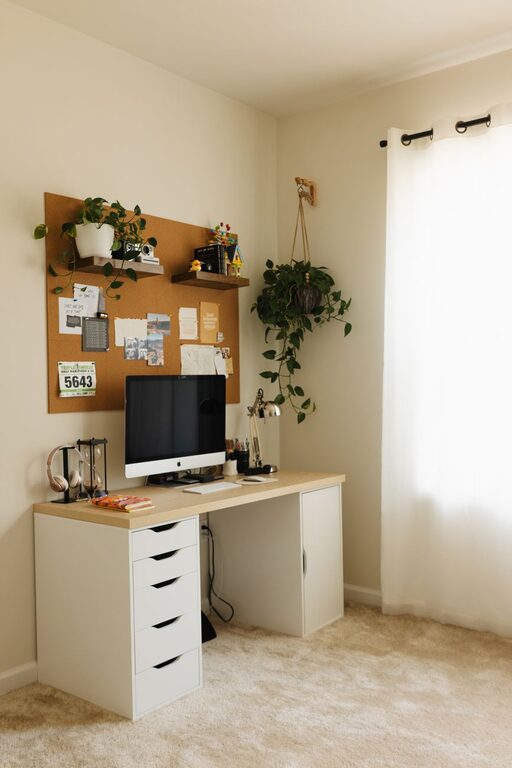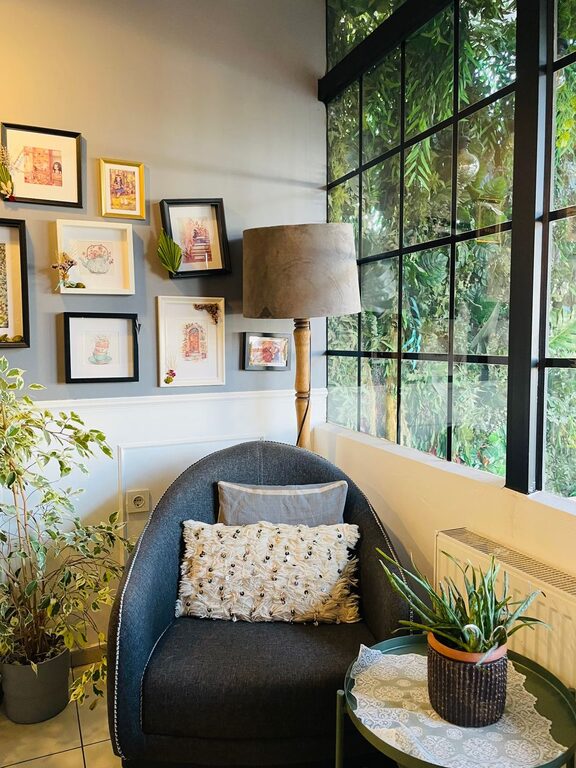

Creating a cozy and inviting home workspace is essential for anyone who works from home or spends a significant amount of time at their desk. A thoughtfully designed space not only enhances productivity but also supports your overall well-being by making work feel less like a chore and more like a pleasant experience. Whether you have a dedicated room or just a small corner, these tips can help you transform your workspace into a comfortable and inspiring environment.
Choose the Right Location
The location of your workspace plays a major role in how comfortable and inviting it feels. Here are a few considerations:
– Natural Light: Try to set up your desk near a window to take advantage of natural light. It boosts mood, reduces eye strain, and keeps you energized throughout the day.
– Quiet Space: Find a spot with minimal distractions and noise, especially if you need to focus on tasks or participate in video meetings.
– Space to Move: Ensure you have enough room around your desk to move freely and stretch. This helps maintain comfort during long work sessions.
If space is limited, consider flexible setups like a foldable desk or a corner workstation.
Invest in Comfortable Furniture
Comfort is key when it comes to creating an inviting workspace. The right furniture supports good posture and reduces fatigue.
– Ergonomic Chair: Choose a chair that supports your back, encourages good posture, and has adjustable features like seat height and armrests.
– Desk Height: Your desk should be at a height where your forearms are parallel to the floor while typing.
– Footrest: If your feet don’t comfortably reach the floor, a footrest can help improve circulation and posture.
Opt for furniture that not only feels good but also matches your style to make the space more personal and inviting.
Add Personal and Soothing Touches
Making your workspace feel cozy is about adding elements that make you feel relaxed and happy.
– Soft Textiles: Use cushions, a cozy throw blanket, or a small rug to add warmth and softness.
– Plants: Indoor plants improve air quality and add a natural, calming vibe to your environment.
– Artwork and Photos: Decorate walls or desks with art or photos that inspire and motivate you.
– Scent: Consider a subtle diffuser or scented candle (safe and permitted) to create a soothing atmosphere.
Remember, these touches should complement your workspace without causing clutter or distraction.
Organize and Declutter
A clean and organized workspace helps clear your mind and keeps you focused.
– Storage Solutions: Use shelves, bins, or drawer organizers to keep supplies tidy and out of sight.
– Cable Management: Keep cables neat with clips or sleeves to reduce mess.
– Minimalism: Keep only essential items on your desk to avoid overcrowding and distraction.
Regularly declutter your workspace to maintain a calm, inviting atmosphere.
Optimize Lighting
Besides natural light, good artificial lighting is important for comfort and productivity.
– Task Lighting: Use a desk lamp with adjustable brightness and direction to reduce eye strain.
– Warm Lights: Choose bulbs with warm light tones for a cozy feel instead of harsh, cool white lights.
– Layered Lighting: Combine overhead lighting with task lighting to create a balanced ambiance.
Adjust lighting according to the time of day and type of work you are doing.
Incorporate Technology Thoughtfully
Technology is a big part of a home workspace. Organize your tech gadgets to keep the space functional and inviting.
– Quality Equipment: Invest in a reliable computer, keyboard, mouse, and headphones that fit your work style.
– Wireless Options: Wireless devices reduce cable clutter and create a cleaner look.
– Charging Station: Set up a dedicated spot for charging devices to keep them accessible and organized.
– Screen Position: Position your monitor at eye level to avoid neck strain.
Keeping technology simple and well-arranged helps maintain focus and reduces stress.
Create Zones for Different Activities
If your space permits, try to separate different types of work or activities within your workspace.
– Primary Work Zone: Your main desk area for focused tasks.
– Creative or Relaxation Corner: A comfy chair or small sofa where you can brainstorm, read, or take breaks.
– Storage Zone: A designated area for files and supplies.
Zoning your workspace can help your mind switch between different modes of work and rest.
Maintain a Comfortable Temperature and Airflow
Comfort also means the right room temperature and fresh air.
– Ventilation: Open windows when possible to refresh the air.
– Fans or Heaters: Use small fans or heaters to adjust temperature to your liking.
– Air Purifiers: Consider an air purifier for cleaner, fresher air if needed.
A comfortable environment contributes to better focus and enjoyment in your workspace.
Set a Routine for Using Your Space
Finally, a cozy home workspace benefits from consistent use and respect.
– Start and End Times: Establish regular work hours to create boundaries between work and personal life.
– Clean Up Daily: Spend a few minutes at the end of each day tidying your space.
– Regular Breaks: Step away from your desk to stretch and refresh your mind.
By treating your workspace as a dedicated area, it becomes a more enjoyable and productive place to be.
—
Creating a cozy and inviting home workspace doesn’t require a big budget or a large room. By considering light, comfort, organization, and personal touches, you can design a space that motivates and supports you every day. Start with small changes, and watch your home workspace transform into a place you look forward to working in.
About the Author