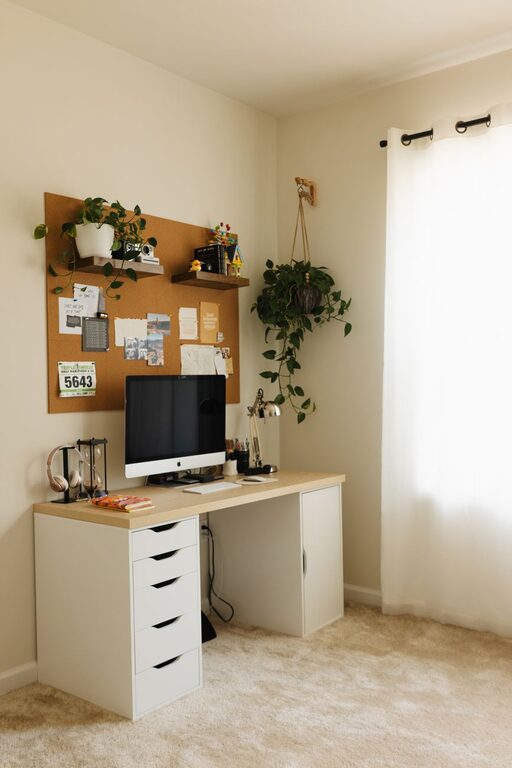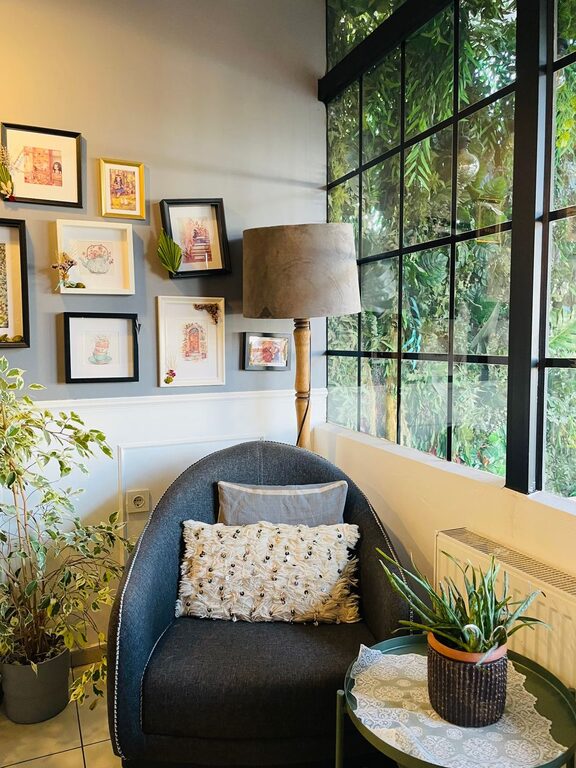
Creating a home office that feels both cozy and productive can significantly improve your work-from-home experience. Whether you’re setting up a dedicated room or a small corner, thoughtful planning can help you design a space that supports focus, comfort, and creativity. Here are some helpful tips to guide you through making your home office a place you enjoy spending time in.
Choose the Right Location
Selecting the ideal spot for your home office is the first step. Consider the following:
– Natural Light: Position your desk near a window to benefit from daylight. Natural light can boost mood and reduce eye strain.
– Quiet Area: Pick a quiet corner or a room where you can minimize distractions and noise.
– Space: Ensure enough room to accommodate your computer, chair, and any other tools or storage you need.
Even a small nook can work well if organized carefully.
Invest in Comfortable Furniture
Comfort plays a major role in staying productive throughout the day.
– Ergonomic Chair: Choose a chair that supports your lower back and allows your feet to rest flat on the floor.
– Desk Height: Your desk should be at a height that allows your arms to rest comfortably while typing.
– Adjustability: Consider adjustable chairs or standing desks to alternate your posture.
Comfortable furniture helps prevent fatigue and promotes better focus.
Organize Your Workspace Efficiently
A clean and organized space reduces stress and improves efficiency.
– Declutter: Keep only the essentials on your desk to avoid distractions.
– Storage Solutions: Use shelves, drawers, or filing cabinets to store documents, supplies, and tech accessories.
– Cable Management: Organize cords and cables using clips or sleeves to keep your desk tidy.
Regularly tidying your workspace will create a more inviting atmosphere.
Add Personal and Cozy Touches
Personal touches make your office feel welcoming and motivate you to spend time there.
– Decor: Include artwork, plants, or photos that inspire and uplift you.
– Soft Textures: Add a rug, cushions, or a throw blanket to create warmth.
– Lighting: Use a desk lamp or floor lamp with warm light to complement natural lighting, especially for evenings.
These elements enhance comfort and can help reduce the feeling of isolation often associated with remote work.
Optimize Lighting for Productivity
Proper lighting is key to reducing eye strain and maintaining alertness.
– Task Lighting: Position desk lamps to illuminate your work area clearly.
– Avoid Glare: Arrange monitors and lighting to prevent reflections on screens.
– Layered Lighting: Use a mix of ambient, task, and accent lighting to create a balanced environment.
Good lighting supports long working hours without fatigue.
Incorporate Technology Wisely
Tech tools can make your home office more effective but only if organized well.
– Reliable Internet: Ensure you have a fast and stable internet connection.
– Peripherals: Use ergonomic keyboards, mice, and monitors that suit your needs.
– Noise Control: Invest in noise-canceling headphones if your environment is noisy.
Keep device cables organized and consider wireless options to reduce clutter.
Define Boundaries Between Work and Home Life
Creating a mental and physical separation between work and living spaces helps maintain balance.
– Set Office Hours: Stick to consistent work hours to help signal the start and end of your day.
– Dedicated Space: Use a room divider or screen if your office shares space with other activities.
– End-of-Day Routine: Develop a ritual that helps you unwind and ‘leave’ work behind.
Clear boundaries make transitioning between work and leisure smoother.
Keep It Green with Plants
Adding plants to your office brings many benefits.
– Air Quality: Plants improve air by reducing pollutants.
– Stress Reduction: Greenery helps lower stress and boost mood.
– Visual Appeal: Plants add color and life to your space.
Low-maintenance plants like succulents or snake plants work well for busy professionals.
Maintain Regular Breaks and Movement
Even the best workspace needs good habits for productivity.
– Take Breaks: Step away every hour to stretch or relax your eyes.
– Move Around: Incorporate standing or walking to avoid long periods of sitting.
– Mindfulness: Use breaks for quick meditation or deep breathing exercises.
Your workspace works best when combined with mindful, balanced routines.
—
Creating a cozy and productive home office doesn’t have to be complicated. By considering comfort, organization, lighting, and personal touches, you can craft a space that supports your best work. Remember that your workspace should evolve with your needs, so feel free to adjust as you discover what works best for you. Happy working!
About the Author