Creating a home office that feels both cozy and inviting can transform the way you work. Whether you spend a few hours a day or full-time in your workspace, a comfortable environment helps reduce stress and increase productivity. Here are practical tips to help you design a home office that feels welcoming and inspires your best work.
Choose the Right Location
Selecting the right spot for your home office is the foundation of comfort. Ideally, pick a quiet area that has good natural light.
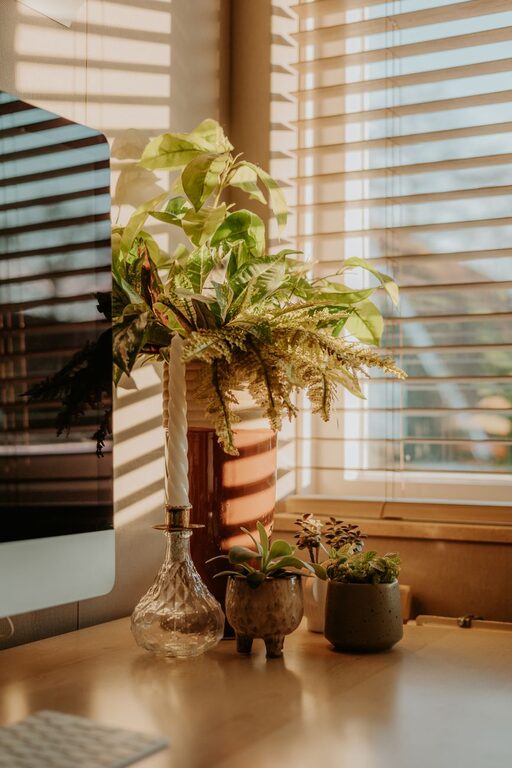
– Natural light: Position your desk near windows if possible. Daylight improves mood and reduces eye strain.
– Minimal distractions: A low-traffic area helps maintain focus.
– Adequate space: Ensure your desk and chair fit comfortably without feeling cramped.
If space is limited, a corner of a room or even a closet can be transformed with smart organization.
Invest in Comfortable Furniture
Comfort is key when you spend hours working. Spend time choosing furniture that supports your body and suits your style.
– Ergonomic chair: Look for adjustable chairs with lumbar support to maintain good posture.
– Functional desk: Select a desk with enough surface area for your laptop, paperwork, and any accessories.
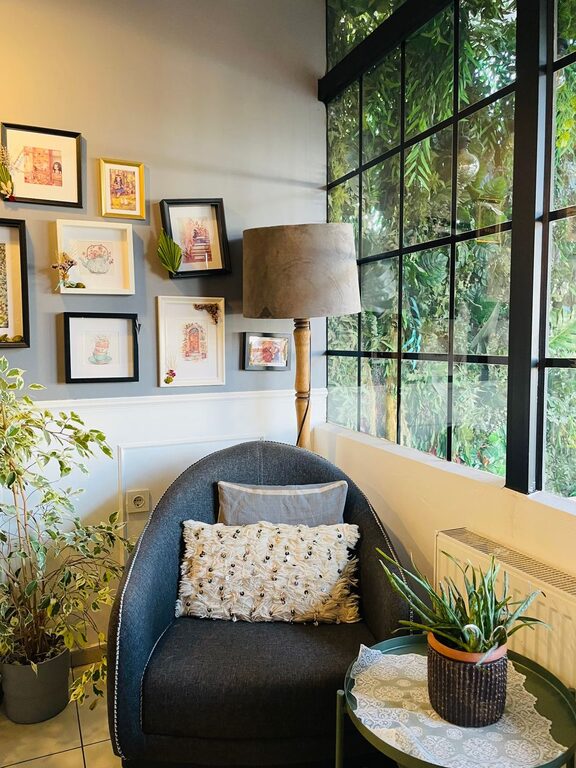
– Additional seating: A cozy armchair or small sofa can provide a relaxing spot for reading or brainstorming.
Opt for furniture materials and colors that bring warmth—wood tones or soft upholstery can add to the cozy atmosphere.
Personalize Your Space
Your home office should reflect your personality and make you feel at ease.
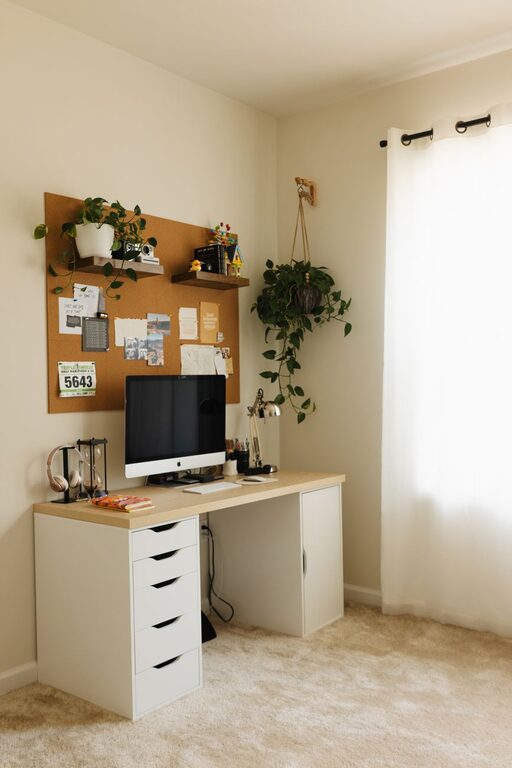
– Decorate walls: Use art prints, inspiring quotes, or a bulletin board for motivation and visual interest.
– Add plants: Indoor plants not only improve air quality but also add life and color.
– Use soft textiles: Cushions, rugs, and throws create a warm vibe and reduce noise.
Keep decorations balanced to avoid clutter, which can be distracting.
Organize for Efficiency
A tidy workspace contributes greatly to comfort and focus.
– Smart storage: Use shelves, drawers, and containers to keep supplies organized.
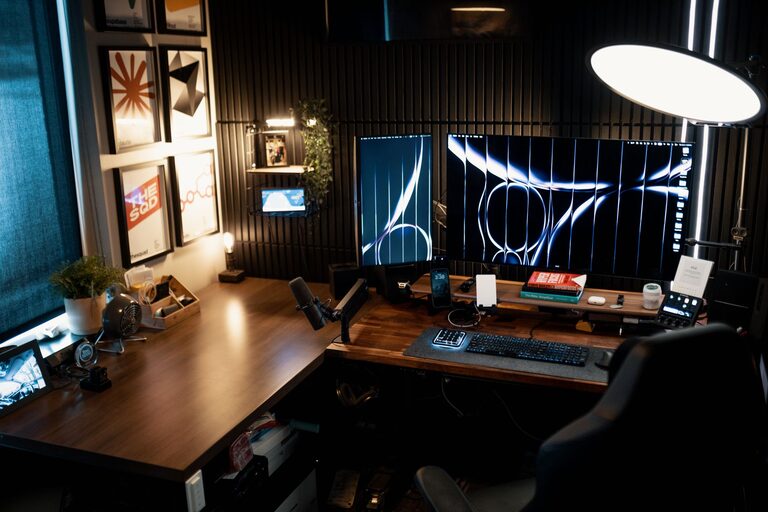
– Cable management: Hide or arrange cords neatly with clips or covers.
– Daily cleanup: Develop a habit to clear your desk at the end of each workday.
An organized office allows you to find what you need quickly and reduces stress.
Optimize Lighting
Good lighting is essential—too dim and you’ll strain your eyes; too bright and it can cause glare.
– Layered lighting: Combine ambient lighting with task lighting, such as desk lamps.
– Adjustable lamps: Use lamps with adjustable brightness or color temperature for different times of day.
– Avoid glare: Position screens and lights to minimize reflection.
Lighting that is restful on the eyes promotes longer periods of focused work.
Incorporate Soothing Colors
Color influences mood and productivity. Choose colors that help create a calming yet stimulating environment.
– Soft neutrals: Cream, beige, and light gray can make the space feel airy.
– Cool tones: Blues and greens are known to boost concentration and reduce stress.
– Accent colors: Incorporate pops of warm colors like mustard or coral through accessories for energy.
Select colors that you like and that fit the overall ambiance you wish to create.
Maintain Good Air Quality
Fresh air keeps you alert and comfortable.
– Ventilation: Open windows when possible or use an air purifier.
– Humidity: If your home is dry, consider a small humidifier.
– Plants: Again, plants can help improve air quality naturally.
A fresh environment supports your health and productivity.
Establish Boundaries
Especially when working from home, setting clear boundaries helps maintain work-life balance.
– Dedicated space: Use a separate room or clearly defined area.
– Visual cues: When you enter or leave the office space, it signals transitions between work and rest.
– Routine: Stick to regular work hours to reduce stress and prevent burnout.
Creating these boundaries makes your office space inviting when you want to work and helps you disconnect afterward.
Add Personal Comfort Touches
Finally, think about things that make you feel cozy and welcome.
– Favorite scents: Use candles or essential oil diffusers with calming scents like lavender.
– Music: Set up a speaker for background music or ambient soundtracks.
– Beverage station: Have a small area with a coffee maker or water bottle within reach.
These little touches foster a pleasant atmosphere that encourages you to spend time working in your space.
—
Designing a cozy and inviting home office doesn’t have to be complicated. By focusing on comfort, personalization, organization, and lighting, you can create a space that feels like your own productive haven. Start with small changes and gradually build your ideal workspace that supports both your wellbeing and your work goals.
About the Author